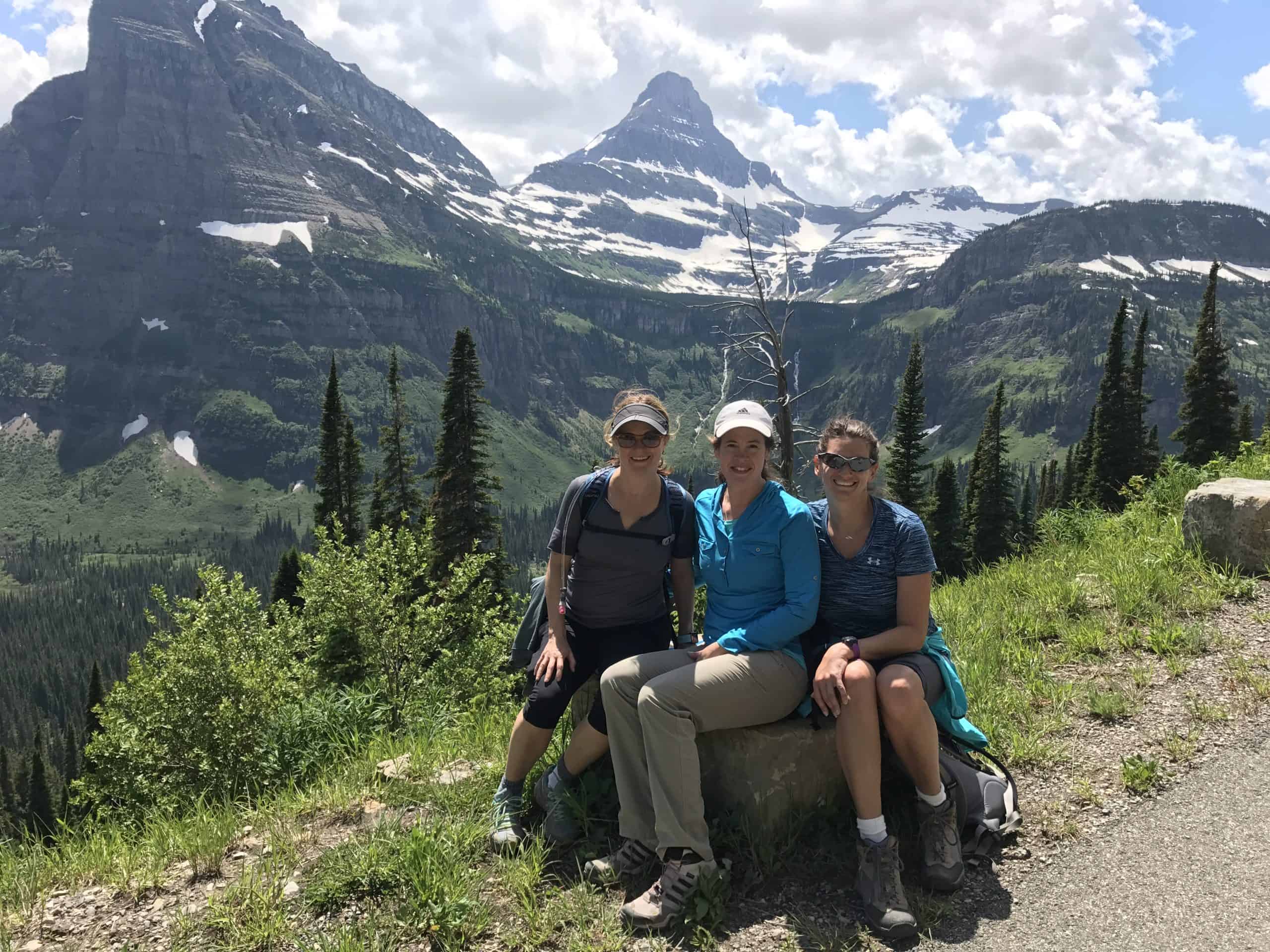
Embarking on a journey along Glacier National Park's legendary Going-to-the-Sun Road is a quintessential American road trip experience. This engineering marvel, often hailed as one of the most spectacular scenic drives in the world, carves a path through the heart of Montana's "Crown of the Continent," offering unparalleled access to pristine glacial valleys, vibrant alpine meadows, and breathtaking mountain vistas. For first-time visitors, planning your adventure, especially concerning the best time to visit and how to access this iconic route, is paramount. This comprehensive going to the sun road guide will equip you with everything you need to know to ensure a memorable, stress-free trip.
The Undeniable Allure of the Going-to-the-Sun Road
Imagine a road where every turn reveals a landscape more stunning than the last – jagged peaks piercing the sky, turquoise lakes shimmering in the sunlight, and cascading waterfalls tumbling down ancient rock faces. This is the magic of the Going-to-the-Sun Road. Stretching approximately 50 miles from the West Glacier Entrance to the St. Mary Entrance, it’s the only route that traverses the Continental Divide within Glacier National Park, reaching its highest point at the famed Logan Pass at nearly 6,700 feet.
More than just a passage, the Sun Road is a destination in itself. It's a testament to ingenious design, built by the National Park Service with a philosophy of blending seamlessly into the environment rather than conquering it. Observe the meticulously crafted stone guardrails and the way the road gently curves along sheer cliffs, offering perfectly framed viewpoints of Glacier’s dramatic scenery. This design, coupled with its historical significance, earned it a designation as a National Historic Landmark and a Civil Engineering Landmark.
What truly sets it apart is the accessibility it provides. You don't need to be an avid hiker to feel completely immersed in nature's grandeur here. While a Going-to-the-Sun Road: Ultimate Guide for First-Timers will often highlight the fantastic trailheads, the road itself is teeming with wildlife sightings – from mountain goats gracefully navigating rocky outcrops to grizzly bears foraging in distant valleys, and fields of wildflowers painting the hillsides in vibrant hues during summer months. It’s an adventure designed for everyone, including families, to pull over safely and marvel at the sheer beauty surrounding them.
Navigating the Seasons: When is the Going-to-the-Sun Road Fully Open?
This is perhaps the most critical question for anyone planning a visit: When can I drive the entire Going-to-the-Sun Road? While Glacier National Park is technically open year-round, the answer for the Sun Road is definitively NOT year-round. The higher elevations, especially around Logan Pass, receive staggering amounts of snow – often accumulating 40 feet or more. Plowing this road is a monumental task that can take months, and the National Park Service provides weekly updates on its progress due to public demand.
The Golden Window: Early July to Early September is Your Safest Bet.
- Early July: Historically, the entire Going-to-the-Sun Road from West Glacier to St. Mary is fully open by early July. This is often your best chance to experience the full 50-mile drive without interruption. The exact date varies annually based on snowpack, weather conditions, and plowing progress.
- Mid-July to Late August: This period typically offers the most reliable full access, prime wildflower viewing, and generally warmer weather. It's also the peak tourist season, so expect crowds.
- Early September: As summer transitions to fall, the crowds begin to thin, and the fall colors might start to emerge. Full access is usually maintained through early to mid-September, though some services might start to scale back.
Understanding Partial Openings and Shoulder Seasons:
Visiting in early June or late September/early October means you might only be able to drive partway along the road. The lower elevation sections, such as the initial stretch from West Glacier to Avalanche Creek or the eastern section from St. Mary to Jackson Glacier Overlook, often open earlier or close later than the high-alpine sections. While this might sound disappointing, these partial openings still offer incredible scenery and a unique experience. For instance, in some years, the entire road can still be open in mid-October, while in others, significant snow might have already closed higher elevations by then. Every year is truly different, so flexibility and checking current conditions are key.
Essential Access & Planning Considerations for Your Trip
Beyond knowing when the road typically opens, there are crucial logistical elements to consider for a seamless Going-to-the-Sun Road adventure. Understanding these will help you navigate the crowds and potential restrictions, ensuring your trip focuses on enjoyment rather than frustration.
Timed-Entry Reservations: A Modern Necessity
In recent years, to manage increasing visitor numbers and preserve the park experience, Glacier National Park has implemented a timed-entry reservation system for certain areas, including the Going-to-the-Sun Road. This is separate from your park entrance fee and is a vital step in your planning process, especially during peak season.
- How it Works: You typically need a reservation to access the Going-to-the-Sun Road from the West Glacier Entrance (and sometimes other entrances) during specific hours of the day for a set period (e.g., May through mid-September).
- When to Book: Reservations are released in advance, often several months out, and again closer to the entry date. They are highly competitive and can sell out within minutes. Check the official NPS website well in advance for the current year's requirements and release dates.
- Exemptions: There are often exemptions, such as if you have an in-park lodging reservation or a service reservation (like a boat tour or guided hike) within the restricted area. Always verify current policies.
Failing to secure a timed-entry reservation can significantly impact your ability to drive the road during peak times, so make this a priority when planning your going to the sun road guide itinerary.
Vehicle Size Restrictions & Safe Driving Tips
The Going-to-the-Sun Road, while a marvel, is not designed for oversized vehicles. Its narrow passages, sharp curves, and stone guardrails necessitate specific restrictions:
- Length & Width: Vehicles, or combinations of vehicles (e.g., a truck towing a trailer), exceeding 21 feet in length or 8 feet in width (including mirrors) are prohibited between Avalanche Creek and Rising Sun (the steepest and narrowest sections of the road). This means RVs and large trailers will need to take an alternative route around the park.
- Safe Driving: The road is steep, winding, and often has sheer drop-offs. Drive slowly, use designated pull-offs for scenic viewing, and be mindful of other drivers, cyclists, and pedestrians. Wildlife can appear unexpectedly, so always be vigilant. You can find more detailed driving advice and must-see viewpoints in our Glacier's Sun Road: Best Stops, Views & Drive Tips article.
Making the Most of Your Going-to-the-Sun Road Experience
Even with meticulous planning, the Going-to-the-Sun Road demands a certain level of flexibility. Weather in the mountains can change rapidly, and closures can occur without much notice due to snow, rockfall, or even wildfire activity.
- Check Daily Updates: Always check the Glacier National Park website for the most current road status before heading out. This is especially crucial during the shoulder seasons.
- Allocate Ample Time: While it's only 50 miles, the drive itself can take 2-3 hours without stops. With numerous viewpoints, short walks, and potential wildlife sightings, budget at least a full day, if not more, to truly savor the experience.
- Pack Layers: Even on a sunny summer day, temperatures can fluctuate dramatically from the valleys to Logan Pass. Bring layers, rain gear, and plenty of water and snacks.
- Consider the Shuttle: During peak season, the park operates a free shuttle service along the Going-to-the-Sun Road, which can be an excellent way to avoid parking hassles at popular trailheads and viewpoints.
Conclusion: An Unforgettable Journey Awaits
The Going-to-the-Sun Road is not just a drive; it's an immersive journey through one of America's most treasured national parks. Understanding its seasonal access, navigating the timed-entry system, and adhering to vehicle restrictions are vital steps in planning your adventure. Whether you witness the full glory of a mid-summer opening or experience the serene beauty of a partially accessible shoulder season, the unparalleled landscapes and the sheer wonder of this road will leave an indelible mark on your memory. Use this going to the sun road guide as your starting point, embrace the planning, and prepare for an unforgettable trip into the heart of Glacier National Park.
