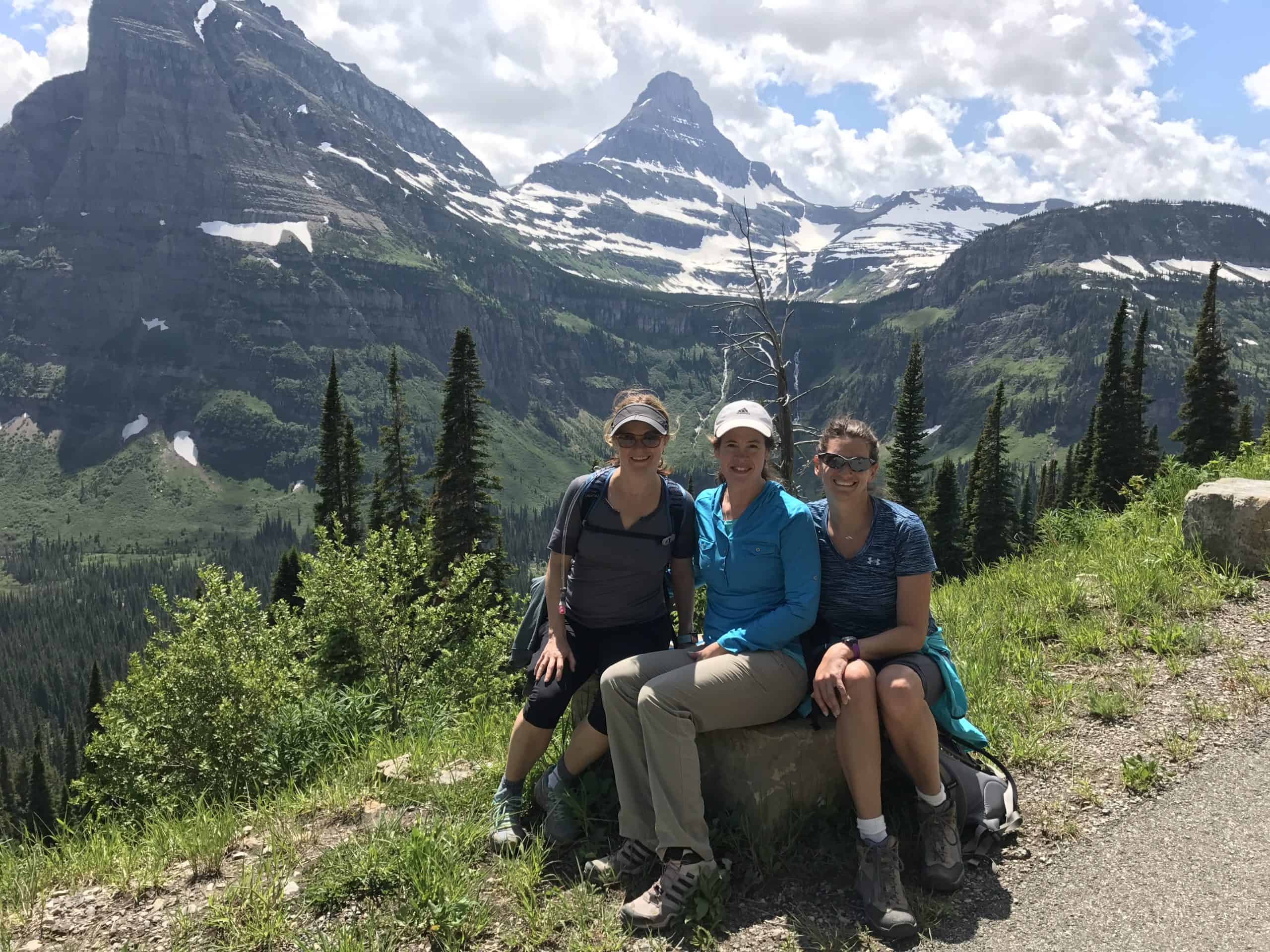
Glacier National Park's Going-to-the-Sun Road isn't just a drive; it's an unforgettable journey through one of America's most spectacular landscapes. Often hailed as the crown jewel of national park scenic routes, this engineering marvel carves its way across the Continental Divide, offering continuous, jaw-dropping vistas that will redefine your perception of natural beauty. If you're planning your first adventure into Glacier's rugged heart, this comprehensive going to the sun road guide is your essential companion, detailing the best stops, views, and crucial driving tips to ensure a stress-free and awe-inspiring experience.
From towering, glacial-carved peaks and vibrant turquoise lakes to cascading waterfalls and expansive alpine meadows teeming with wildlife, the Sun Road delivers an unparalleled immersion into nature. It's the kind of road that compels you to safely pull over every few minutes, not just for a photograph, but to simply absorb the unbelievable scenery unfolding around you. And the best part? You don't need to be an avid hiker to revel in its grandeur; many of its most iconic views are accessible right from your car window or a short, leisurely stroll.
The Unforgettable Journey: Why Glacier's Sun Road Captivates All
Spanning approximately 50 miles from the West Glacier Entrance to the St. Mary Entrance, the Going-to-the-Sun Road is more than just a transportation route – it's an experience in itself. Its fame stems not only from the unparalleled natural beauty it traverses but also from its remarkable construction. The National Park Service designed this road to harmonize with its environment, creating a path that feels almost organically integrated into the rugged terrain. You'll witness stone guardrails, artfully curved walls clinging to cliffs, and strategically placed viewpoints that perfectly frame Glacier's dramatic scenery.
This careful craftsmanship, along with its historical significance, earned it the designation as a National Historic Landmark and a National Civil Engineering Landmark. As you navigate its winding path, you'll gain a profound appreciation for the visionaries who created a road that allows millions to experience the raw wilderness without disturbing its delicate balance. It is, quite literally, the only road that fully bisects the park, making it the central artery for exploring the heart of Glacier.
The journey along the Sun Road presents a continually evolving tableau of geological wonders. You'll pass through ancient U-shaped glacial valleys, witness the sheer force of melting snow in countless waterfalls, marvel at the striking blue-green hues of Lake McDonald and St. Mary Lake, and gaze upon rugged peaks that seem to touch the sky. Keep an eye out for diverse wildlife; it's not uncommon to spot mountain goats grazing gracefully on high alpine meadows or, if you're lucky, glimpse a grizzly bear foraging in distant valleys. This blend of natural splendor and human ingenuity makes the Going-to-the-Sun Road an absolute must-do for any visitor to Glacier National Park.
Navigating the Masterpiece: Essential Stops and Breathtaking Views
To truly appreciate the Going-to-the-Sun Road, a bit of planning goes a long way. While the entire drive is a spectacle, certain spots stand out. Remember to utilize designated pull-offs for stopping, as parking along the road is strictly prohibited and unsafe.
West Glacier to Logan Pass: A Gradual Ascent to Grandeur
- Lake McDonald: Shortly after entering from the west, the road skirts the shores of Lake McDonald, Glacier's largest lake. Stop at Apgar Village or Lake McDonald Lodge for iconic views of its colorful rocks and the surrounding mountains. It's a perfect spot for family photos or a leisurely stroll along the shore.
- Trail of the Cedars / Avalanche Lake: A hugely popular, family-friendly stop. The Trail of the Cedars is an accessible boardwalk loop through ancient cedars, leading to a stunning gorge. For those wanting a bit more, a moderate 2-mile (one-way) hike continues from the trail to Avalanche Lake, nestled beneath towering cliffs and fed by cascading waterfalls.
- Weeping Wall: During late spring and early summer, snowmelt creates a "weeping" effect directly onto the road, an invigorating, natural car wash experience. Be prepared for a refreshing mist!
- Bird Woman Falls Overlook: Offers a distant, but spectacular view of Bird Woman Falls, plunging thousands of feet from a hanging valley.
- Logan Pass: At 6,646 feet, Logan Pass is the highest point on the road and a quintessential Glacier experience. This is where you'll find expansive alpine meadows bursting with wildflowers (in season), incredible opportunities for wildlife viewing (often bighorn sheep and mountain goats), and trailheads for some of Glacier's most iconic hikes, including the Highline Trail and the Hidden Lake Overlook Trail. Be aware that parking here is extremely limited, especially during peak season.
Logan Pass to St. Mary: Descending into Different Vistas
- Jackson Glacier Overlook: The easiest accessible view of a glacier from the Sun Road. While significantly receded, it offers a poignant reminder of Glacier's namesake ice.
- St. Mary Lake & Wild Goose Island Overlook: As you descend towards the east, St. Mary Lake greets you with its deep blue waters and the famous Wild Goose Island. This overlook is one of the most photographed spots in the park, offering a panoramic vista of the lake framed by surrounding peaks.
- Sun Point / Baring Falls: This area provides easy access to several waterfalls and stunning lake views. Short, relatively flat trails lead to Baring Falls and St. Mary Falls, offering a different perspective of the landscape.
Mastering Your Drive: Practical Tips for the Going-to-the-Sun Road
Driving the Going-to-the-Sun Road is an adventure, but it requires preparation. Here’s what you need to know to make your trip smooth and enjoyable.
When to Go: Understanding Seasonal Access
This is perhaps the most crucial question for first-time visitors. While Glacier National Park is technically open year-round, the Sun Road is definitely not. The higher elevations, especially around Logan Pass, receive an unbelievable amount of snow—often 40 feet or more! Plowing the road is a monumental task that can take months.
Early July is often the safest bet if you want to drive the entire road from West Glacier to St. Mary. The road typically opens completely between late June and mid-July, but this can vary significantly year to year due to snowpack and weather conditions. If you visit in early June or late September/early October, you may find only portions of the road open. Even in mid-October, snowfall can lead to immediate closures. Always check the official NPS website for the most current road status before you go. For more in-depth information on seasonal variations and access, consult our guide on Plan Your Going-to-the-Sun Road Trip: Season & Access.
Timed Entry Reservations and Vehicle Restrictions
During peak season, Glacier National Park implements a timed entry reservation system for portions of the Going-to-the-Sun Road. This is essential for managing visitor flow and protecting the park's resources. You'll need a reservation to access the road from the west entrance or the St. Mary entrance during specific hours. These reservations are released in advance and often sell out quickly, so plan accordingly!
Additionally, vehicle size restrictions are in place. Vehicles (and vehicle combinations) longer than 21 feet, wider than 8 feet (including mirrors), or taller than 10 feet are prohibited between Avalanche Creek and Rising Sun. This is due to the narrow, winding nature of the road and limited turning radii. Large RVs, trailers, or oversized vans will need to find alternative routes or utilize the park's shuttle system for this section.
Wildlife Watching and Safety
Glacier is truly a wildlife haven. While driving the Sun Road, you might encounter deer, bighorn sheep, mountain goats, and even bears. Always maintain a safe distance from all wildlife. Never feed animals, and if you spot a bear, keep at least 100 yards away. Pull over safely and use binoculars or a telephoto lens for closer viewing. Carrying bear spray is always recommended when hiking, even on short trails.
Driving the Road Itself
The Going-to-the-Sun Road, while breathtaking, isn't always a relaxing cruise. It's narrow in places, features steep drop-offs (especially on the west side past Lake McDonald), and requires your full attention. The speed limit is generally low (25-40 mph), and you should adhere to it not only for safety but also to truly soak in the views. Use the numerous pull-offs to stop, take photos, and let faster traffic pass. If you're nervous about driving, consider taking the park's shuttle service, which offers narration and allows you to focus solely on the scenery.
Embarking on a journey along Glacier's Going-to-the-Sun Road is an experience that will stay with you long after you've left the park. This detailed going to the sun road guide aims to equip you with the knowledge and confidence to explore its every turn, from its engineering marvels to its unparalleled natural beauty. Prepare to be amazed, take your time, and let the majesty of Glacier National Park unfold before you. For an even deeper dive into planning your visit, explore our Going-to-the-Sun Road: Ultimate Guide for First-Timers.
